
If you have noticed that your vehicle needs more distance to come to a complete stop, it may be a sign that something in the braking system is not working properly. Drivers in Nashville often rely on responsive brakes while navigating city traffic, highways, and busy intersections. When a car suddenly begins taking longer to stop, it should not be ignored.
Your braking system is designed to respond quickly when you press the brake pedal. If stopping distance increases, it could indicate worn components, hydraulic issues, or other mechanical problems. Addressing these issues early helps maintain safe driving conditions and prevents more costly repairs later.
This guide explains some of the most common reasons why a car may take longer to stop and how Mobile Mechanic Nashville, TN can inspect and repair the issue conveniently at your location.
Common Reasons Your Car Takes Longer to Stop
Several factors can affect braking performance. When one or more components of the braking system are worn or damaged, the vehicle may require additional distance to slow down.
Worn Brake Pads
Brake pads are one of the most frequently replaced parts in a braking system. These components create friction against the brake rotors to slow the vehicle.
Over time, brake pads wear down due to constant use. When the friction material becomes too thin, braking performance can decrease significantly. This can cause the car to take longer to stop, especially during sudden braking.
Routine brake inspections help ensure brake pads are replaced before they wear too far.
Damaged or Worn Brake Rotors
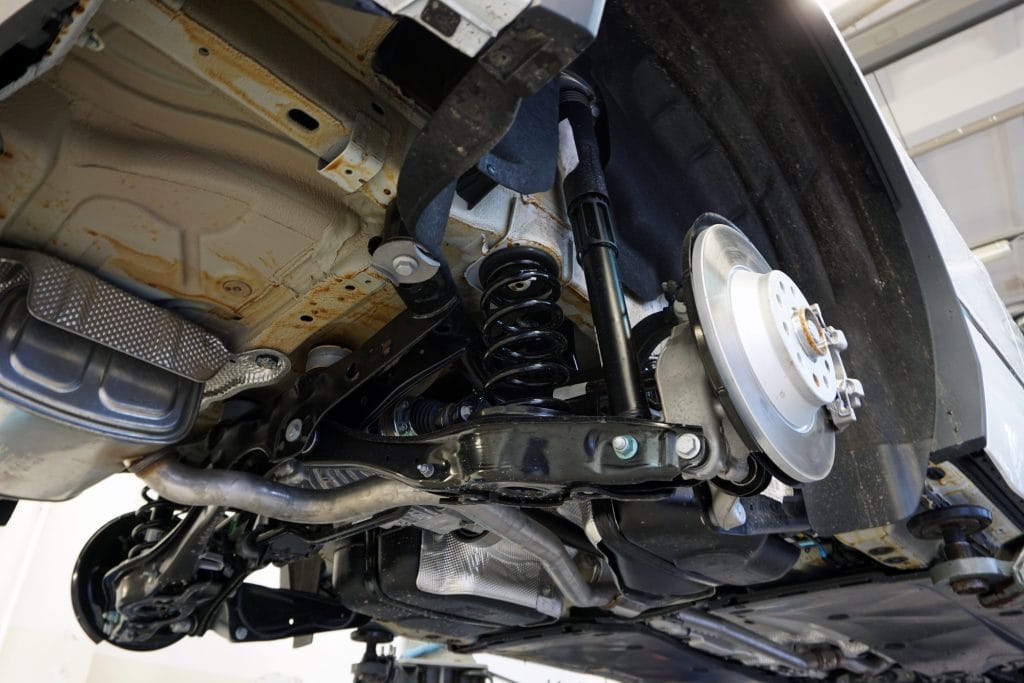
Brake rotors are the metal discs that brake pads press against to slow the wheels. If rotors become worn, warped, or uneven, the brake pads may not make consistent contact with the rotor surface.
This can reduce braking efficiency and increase stopping distance.
Drivers may also notice vibrations or pulsing in the brake pedal when rotors are damaged.
Brake Fluid Issues That Affect Stopping Power
Brake fluid is responsible for transferring pressure from the brake pedal to the braking system. Without proper hydraulic pressure, the brakes may respond slowly or feel less effective.
Low Brake Fluid
Low brake fluid levels can reduce hydraulic pressure and affect braking performance.
Brake fluid levels may drop due to worn brake pads, fluid leaks, or poor maintenance. If the fluid level becomes too low, the vehicle may take longer to stop when braking.
Contaminated Brake Fluid
Over time, brake fluid can absorb moisture. This contamination may reduce the fluid’s ability to transfer pressure effectively.
Moisture in the brake fluid may also cause overheating during heavy braking, which can reduce braking performance.
Replacing brake fluid at recommended intervals helps maintain proper braking function.
Tire Problems Can Increase Stopping Distance
Braking performance depends not only on the brake system but also on tire condition and traction.
Worn Tires
Tires with worn tread may struggle to maintain proper grip on the road. Reduced traction can increase stopping distance, especially on wet roads or during sudden braking.
Incorrect Tire Pressure
Tires that are underinflated or overinflated can affect vehicle stability and braking performance.
Maintaining proper tire pressure helps ensure balanced traction and more effective braking.
Suspension and Alignment Issues
Suspension and wheel alignment problems can also affect braking stability.
Poor Wheel Alignment
Misaligned wheels may cause uneven contact between the tires and the road surface. This can reduce traction and increase stopping distance.
Drivers may also notice the vehicle pulling slightly to one side while driving or braking.
Worn Suspension Components
Suspension parts such as shocks, struts, and bushings help maintain tire contact with the road. When these components wear out, the vehicle may not respond as effectively during braking.
This can make stopping distances longer and reduce overall vehicle control.
Warning Signs That Your Brakes Need Inspection
If your car is taking longer to stop, you may notice other warning signs indicating a problem with the braking system.
These symptoms include:
• A soft or spongy brake pedal
• Squealing or grinding noises when braking
• Vibrations in the brake pedal or steering wheel
• The vehicle pulling to one side when stopping
• The brake warning light appearing on the dashboard
If you experience any of these signs, it may be time to schedule a brake inspection.
Why Ignoring the Problem Can Be Dangerous
Increased stopping distance can significantly affect driving safety. During sudden traffic changes or emergency situations, delayed braking response can increase the risk of accidents.
Ignoring the issue may also allow minor brake problems to become more serious. Worn brake pads can damage rotors, fluid leaks can worsen, and suspension problems may develop further.
Addressing the issue early helps maintain safe driving performance and reduces the risk of costly repairs.
How Mobile Mechanic Services Help Drivers in Nashville
Taking your vehicle to a repair shop can be inconvenient, especially when braking performance is already compromised. Mobile repair services offer a convenient solution for drivers in Nashville.
Mobile Mechanic Nashville, TN provides on-site vehicle diagnostics and repair services. A trained technician can inspect your braking system at your home, workplace, or parking location.
Mobile services may include:
• Brake pad replacement
• Brake rotor inspection or replacement
• Brake fluid inspection and replacement
• Brake system diagnostics
• Tire and suspension inspections
This convenient approach allows drivers to address braking issues without visiting a repair shop.
Preventing Longer Stopping Distances
Routine vehicle maintenance plays an important role in preventing braking performance problems.
Drivers can follow several simple maintenance practices to keep their vehicles operating safely.
Schedule Regular Brake Inspections
Routine inspections help identify worn brake pads, rotor damage, or fluid issues before they affect braking performance.
Maintain Tire Condition
Regular tire rotations and pressure checks help maintain proper traction and braking stability.
Address Unusual Brake Behavior Early
If you notice changes in braking performance, scheduling an inspection early can prevent more serious issues.
When to Schedule a Professional Brake Inspection
If your car takes longer than usual to stop, it is a good idea to have the braking system inspected by a trained technician.
A full inspection can identify worn components, fluid issues, or tire problems that may be affecting braking performance.
For drivers in Nashville, mobile mechanic services provide a convenient way to diagnose and repair these problems quickly.
Schedule Brake Service in Nashville, TN
If your vehicle takes longer to stop, it may be time for a professional brake inspection.
Mobile Mechanic Nashville, TN provides convenient on-site brake diagnostics and repair services across the Nashville area. Whether your vehicle needs brake pad replacement, rotor inspection, or a full brake system check, mobile service allows you to get professional help without visiting a repair shop.
Contact the team today to schedule service, request a quote, or get assistance with your vehicle’s braking system.