Buying a used car can save you thousands compared to buying new, but it also carries risk. A car can look spotless, drive smoothly around the block, and still hide expensive problems that only show up weeks after you sign the paperwork. A pre purchase inspection is one of the best tools you have for avoiding that outcome. This Q&A answers the most common questions Nashville buyers ask about what an inspection covers, what it costs you in time and effort, and why it is so often worth it.
What Is a Pre Purchase Inspection?
A pre purchase inspection is a detailed examination of a used vehicle performed by an independent mechanic before you buy it. The mechanic checks the mechanical condition, safety systems, and signs of past damage, then gives you an honest report on what they found. Because they work for you and not the seller, you get an unbiased opinion on whether the car is a good purchase, what repairs it may need soon, and whether the asking price is fair.
Why Isn’t a Test Drive Enough?
A test drive tells you how the car feels, but it cannot reveal what is happening underneath. Many serious problems do not show up in a ten minute drive. Slow oil leaks, worn suspension parts, a failing catalytic converter, early signs of transmission trouble, and accident repairs can all hide from a casual buyer. A mechanic with proper tools and experience knows where to look and what the warning signs are.
What Does the Inspection Cover?
A thorough inspection looks at the whole vehicle. While the exact checklist varies, most inspections include:
- Engine condition, including leaks, noises, belts, hoses, and fluid levels and quality
- Transmission operation and fluid condition
- Brakes, including pad thickness, rotors, and brake fluid
- Suspension and steering components such as shocks, struts, and ball joints
- Tires, including tread depth, uneven wear, and age
- Battery, alternator, and charging system health
- Exhaust system and signs of leaks or rust
- Cooling system and air conditioning performance
- Lights, wipers, and basic electrical components
- Frame and underbody for rust, damage, or signs of repair
- A scan for stored trouble codes in the engine computer
Can an Inspection Reveal Accident Damage?
Often, yes. A trained eye can spot signs of past collisions, such as uneven gaps between body panels, mismatched paint, overspray on trim, bent or repaired frame sections, and mismatched or newly replaced parts that suggest a repair. A vehicle history report is a useful companion, but it only shows what was reported. Some accidents never appear in those records, and an inspection can catch what the paperwork misses.
What Does the Diagnostic Scan Add?
The engine computer stores trouble codes when it detects a problem, and a scan tool can read them. Sometimes a seller clears the codes before a sale to hide a warning light, but the system often reveals readiness monitors that have not completed yet, which can suggest that codes were recently erased. A scan gives you extra information beyond what you can see and hear.
Why Does Nashville’s Traffic Matter for a Used Car?
The way a car was driven shapes how it wears. A vehicle that spent years in heavy, stop and go traffic puts extra strain on brakes, transmission, cooling systems, and suspension compared to one that mostly cruised on open highway. As the city grows, more and more cars have lived that kind of life. We explore the topic in our article on what Nashville’s growing traffic means for your car’s maintenance schedule, and it is a good reminder of why mileage alone does not tell the whole story.
Will the Inspection Find Everything?
No inspection can guarantee a car will never have a problem, and a good mechanic will be upfront about that. What an inspection does is dramatically lower your risk by finding the issues that are visible, measurable, or likely, and by flagging parts that are near the end of their life. It turns unknown risks into known ones, so you can make a decision with real information.
What Happens If the Inspection Finds Problems?
This is where an inspection pays for itself. If the mechanic finds problems, you have three good options. You can walk away from a car that has serious issues. You can negotiate the price down to cover the repairs. Or you can ask the seller to fix the problems before the sale. Even when the report is mostly clean, it gives you a clear picture of upcoming maintenance, such as brakes or tires that will need replacing soon, so you can budget accordingly.
Is It Worth the Cost?
For most buyers, absolutely. An inspection costs a small fraction of the price of a car, and it can easily save you from a repair bill many times larger than the fee. Even if the inspection finds nothing wrong, you buy with confidence instead of anxiety, and you gain a written record of the car’s condition on the day you bought it, which is useful later for maintenance planning and resale. The real cost is not paying for one and discovering a major problem the next month.
Should I Inspect a Car From a Dealer or a Private Seller?
Both. A dealer may offer their own inspection or certification, but an independent opinion is still valuable because the inspector has no stake in the sale. With private sellers, an inspection is even more important, since there is usually no warranty and little recourse after the sale. If a seller refuses to let a mechanic look at the car, treat that as a serious red flag.
When Should I Schedule the Inspection?
After you have test driven the car and decided you are seriously interested, but before you sign anything or hand over money. Do not let a seller pressure you with claims that other buyers are waiting. A genuine seller will understand that a careful buyer wants to be sure. If the car has problems that prevent it from starting, our guide to the top 10 reasons your car won’t start and how to get back on the road explains the usual suspects, which an inspector can check for.
Can a Mobile Mechanic Do the Inspection at the Seller’s Location?
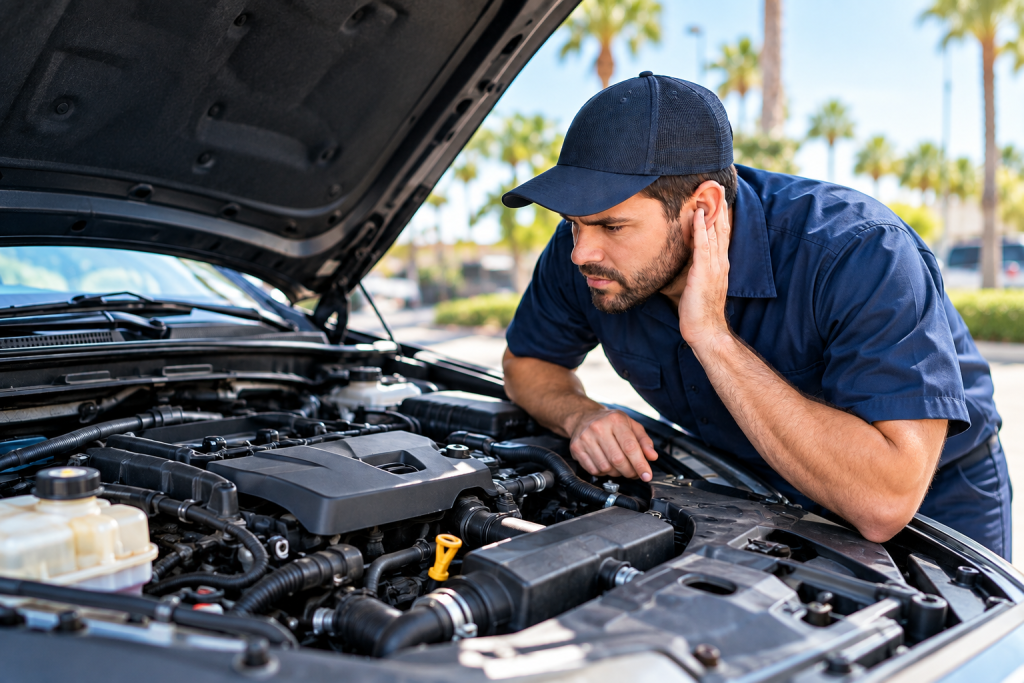
Yes, and this is one of the biggest advantages. Instead of arranging to drive the car to a shop, a mobile mechanic can meet you at the dealership, the seller’s home, or a convenient parking lot and inspect the car right there. That saves time, avoids the awkwardness of taking someone else’s car to a shop, and makes it easy to inspect several candidates in a day. Ask the seller for a level, open space with enough room to work safely around the vehicle.
Buy With Confidence
A pre purchase inspection gives you the information you need to avoid a bad deal, negotiate a fair price, and know what you are getting into. It is a small step that can protect a very large purchase.
To learn more about our services, visit our homepage. When you are ready to schedule an inspection, reach out through our contact us page and we will meet you wherever the car is in the Nashville area.